About Raphael


Raphael was born from a vision to make digital and performing arts a universal language—a space where inspiration always precedes technique. It represents a contribution to a new Digital Renaissance, where technological complexity dissolves to place human creativity back at the center of the artistic process.
Designed for intuitive workflows and rapid onboarding, Raphael removes economic and technical barriers without ever sacrificing expressive depth. Within this environment, live performances, moving images, and generative art coexist in a constant dialogue between human intention and autonomous systems.
Raphael is more than just software: it is a living, evolving creative ecosystem where mathematical logic meets artistic sensitivity to give shape to the unseen.
Curious to see our software in action?
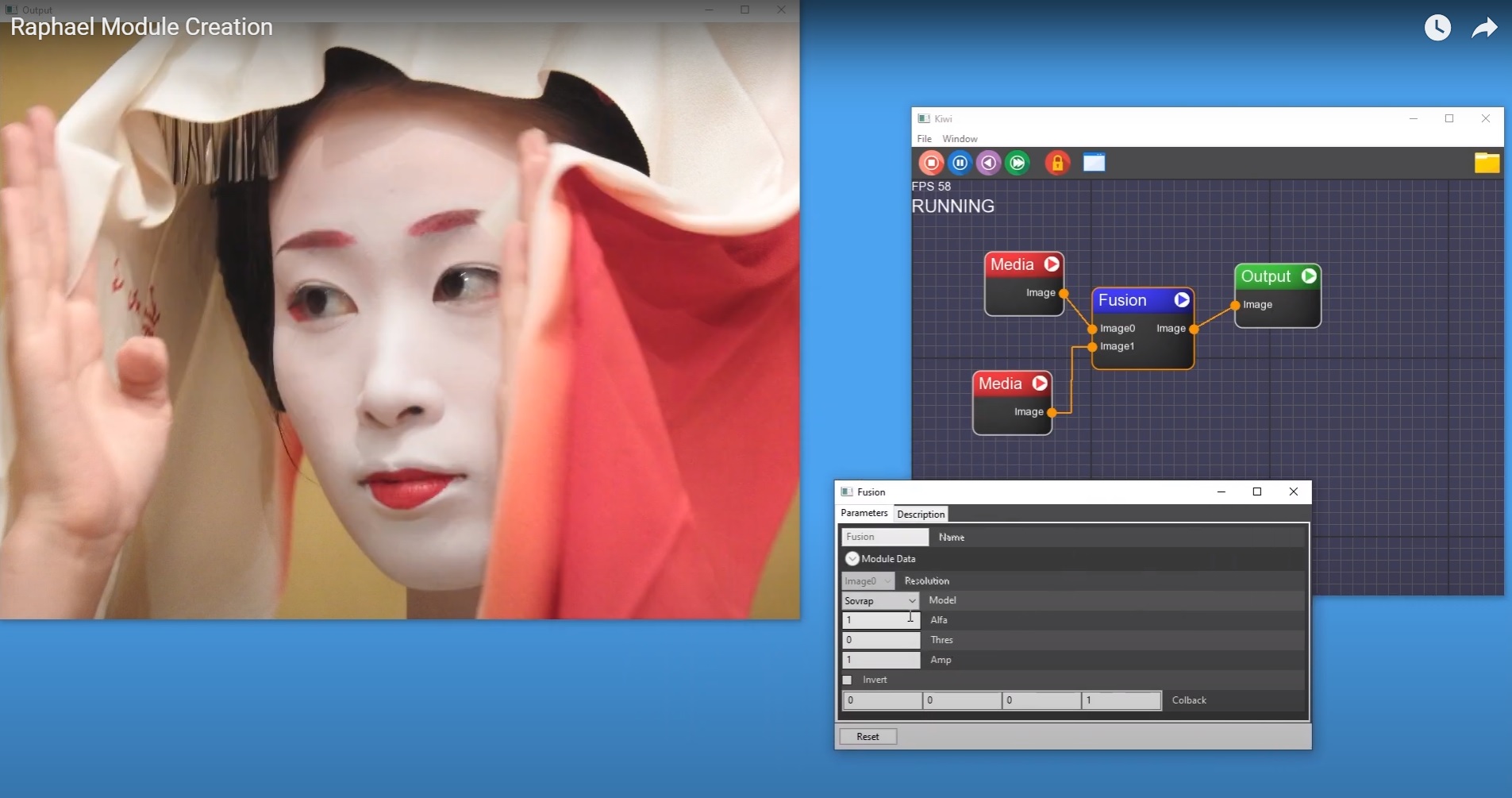
Watch our latest demo video on YouTube! Dive into the features, functionality, and user experience to get a firsthand look at what our software can do for you.
Introducing the Raphael project and the Raphael platformAbout Raphael
Raphael was born from a vision to make digital and performing arts a universal language—a space where inspiration always precedes technique. It represents a contribution to a new Digital Renaissance, where technological complexity dissolves to place human creativity back at the center of the artistic process.
Designed for intuitive workflows and rapid onboarding, Raphael removes economic and technical barriers without ever sacrificing expressive depth. Within this environment, live performances, moving images, and generative art coexist in a constant dialogue between human intention and autonomous systems.
Raphael is more than just software: it is a living, evolving creative ecosystem where mathematical logic meets artistic sensitivity to give shape to the unseen.
Curious to see our software in action?
Watch our latest demo video on YouTube! Dive into the features, functionality, and user experience to get a firsthand look at what our software can do for you.
Introducing the Raphael project and the Raphael platform
Our Philosophy
The Raphael project is built on the foundation of radical collaboration: turning individual visions into a shared legacy. Why stop at creating when you can inspire an entire ecosystem? In this living lab, you are more than a user—you are an architect of the craft. We empower you to develop your own artistic modules, collaborate with fellow pioneers, and monetize your ingenuity by sharing or selling your work, either independently or through our platform. Raphael is a space where self-expression meets the exchange of expertise, allowing ideas to evolve collectively and transforming every contribution into a vital building block for the future of digital arts.
Where Generative Art meets Interactivity
Raphael is the digital ecosystem where human spontaneity and algorithmic creativity converge. It is more than just software: it is the place where the generative art meets the interactivity, empowering you to create works that are not only visually stunning but living and responsive. Through its modular architecture, Raphael processes audiovisual data in real-time, transforming physical inputs—such as sound and movement—into dynamic parameters that drive complex creative flows. Within this framework, the author does more than just create an image; they define the laws of a visual universe capable of evolving, breathing, and reacting to external stimuli, ensuring every performance is a unique and unrepeatable event.
About Us
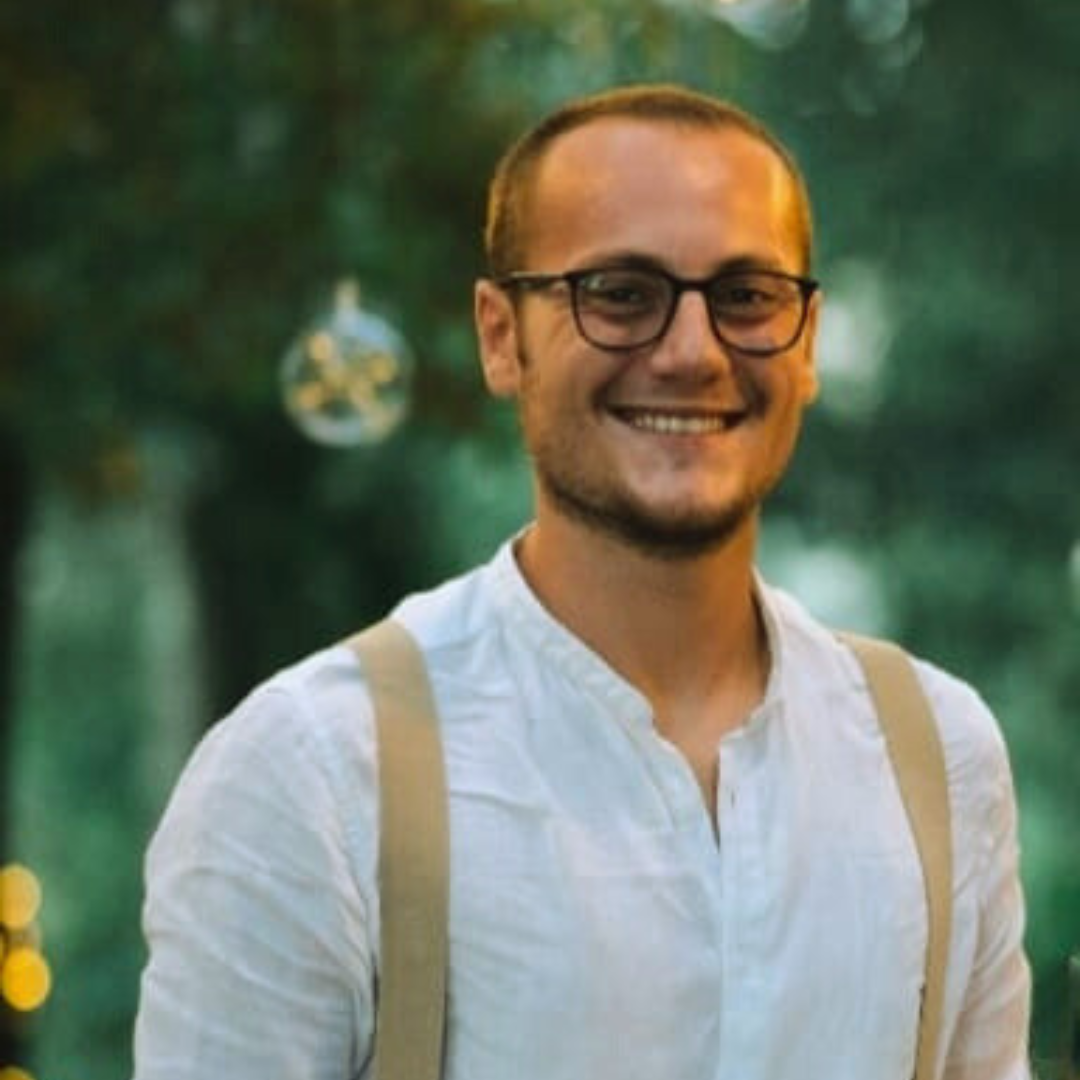
Leonardo Annunziato
Executive Director
I am 26 years old, and my background is rooted in the intersection of cinema, photography, and music production. After studying at the Roberto Rossellini Cine-TV Institute, attending photographic studies at the REA Academy in Rome, and specializing as a music producer in Bologna, I developed a multidisciplinary approach to digital storytelling.
Having witnessed the evolution of the Raphael Platform since its inception, I felt a strong calling to spearhead its dissemination and foster the growth of its creative community. I currently oversee the organizational, marketing, and managerial aspects of the company, steering its strategic development. In addition to my management role, I remain deeply involved in the creative craft, focusing on the development of specialized modules in the generative music area, merging my technical expertise with a vision for the future of interactive soundscapes.
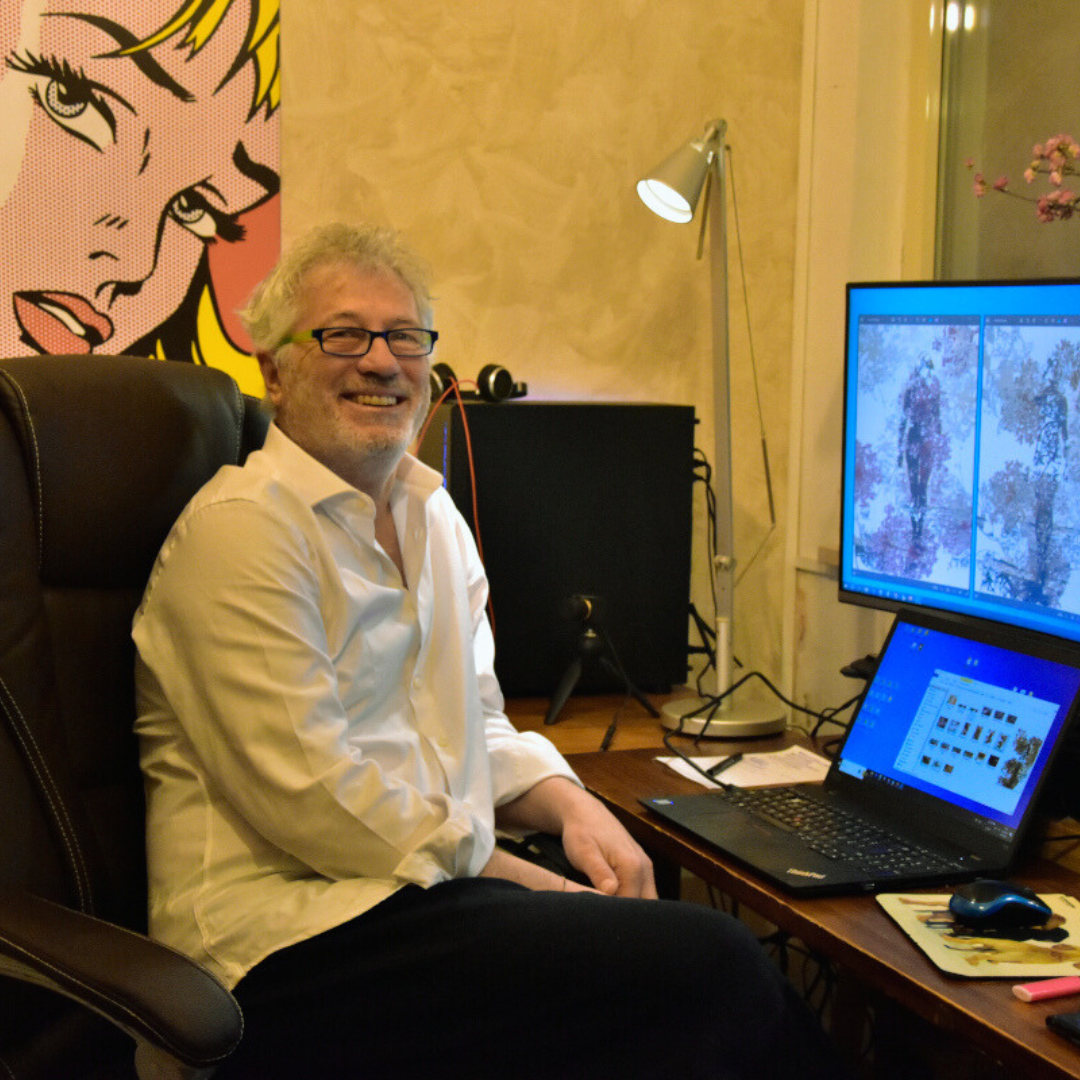
Mauro Annunziato
Artistic Director
In the scientific realm, Mauro has conducted pioneering research on chaos theory (at UCSD), artificial intelligence, and artificial life, focusing on sustainable development and smart cities & communities. In 1994, he co-founded Plancton Art Studio, a pioneer collective at the forefront of digital art and interactive installations blending science and aesthetics.
An active leader in the international generative art scene, he developed the "Art of Emergence" approach. His works have been showcased in major international exhibitions, from the USA (Los Angeles, New York, Washington, New Orleans, Sacramento) and South America (Lima) to Europe (London, Moscow, Munich, Rome, Venice, Florence, and Turin). His accolades include the cover feature of the prestigious journal Leonardo (MIT Press) in 2002. Notably, one of his scientific contributions and an artwork were selected by NASA as part of a collection by 60 artist-scientists for the library of the first human settlement on Mars in 2030.
At Raphael, he bridges decades of scientific expertise with artistic vision, guiding the platform's mathematical, generative, and interaction modules.